
Hydrogen medicine has been introduced to my country one after another since 2008, and it has also become an important research and application discipline in the fields of medicine, health, plants, and energy. In addition to experts and professors from colleges and scientific research institutes, academicians who took the lead in the research have also published papers and participated in the practice of academicians of the two academies with the highest academic achievements, pushing the research and application of hydrogen medicine, hydrogen agriculture, and hydrogen energy to A new step.
Chinese academicians are often academic leaders in a field, and the number of academicians in academic institutions such as university research institutes is the standard that reflects their academic status.
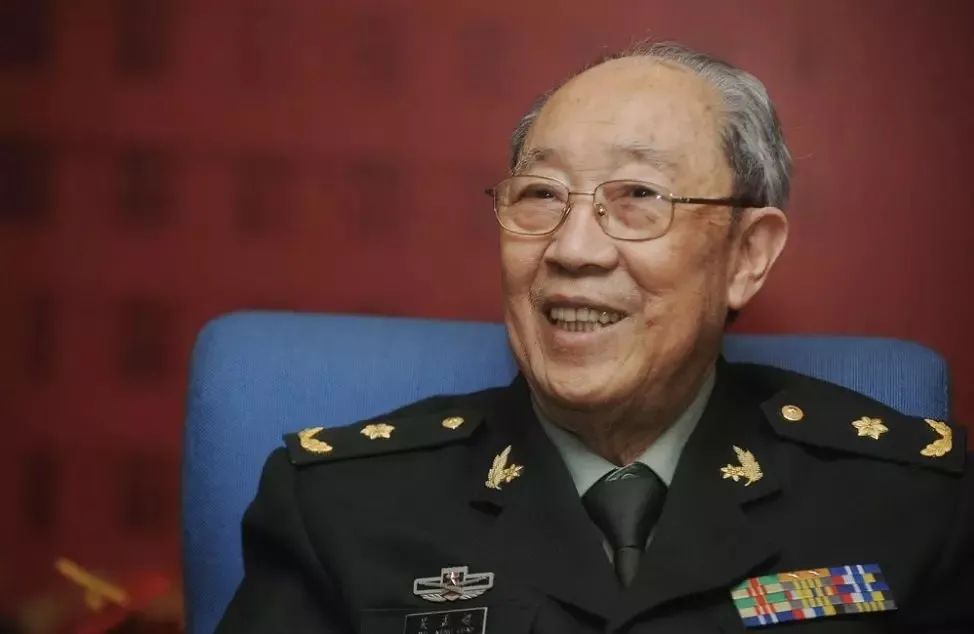
Academician Wu Mengchao
The Second Military Medical University is the first academic institution to carry out hydrogen medical research in China. The Second Military Medical University has 7 academicians and 3 academicians who have published hydrogen medical research papers are Wu Mengchao, Wang Hongyang and Xia Zhaofan.
The world-renowned hepatobiliary surgery expert, academician of the Chinese Academy of Sciences, is known as the "father of Chinese hepatobiliary surgery". He is currently the dean of the Oriental Hepatobiliary Surgery Hospital affiliated to the Second Military Medical University and the director of the Institute of Hepatobiliary Surgery of the PLA. Won the "National Highest Science and Technology Award" in 2005.
Research papers on hydrogen medicine published by Academician Wu Mengchao:
Sun H1, Chen L, Zhou W, Hu L, Li L, Tu Q,, Chang Y, Liu Q,, Sun X, Wu M, Wang H. The protective role of hydrogen-rich saline in experimental liver injury in mice. J Hepatol. 2011Mar;54(3):471-80.
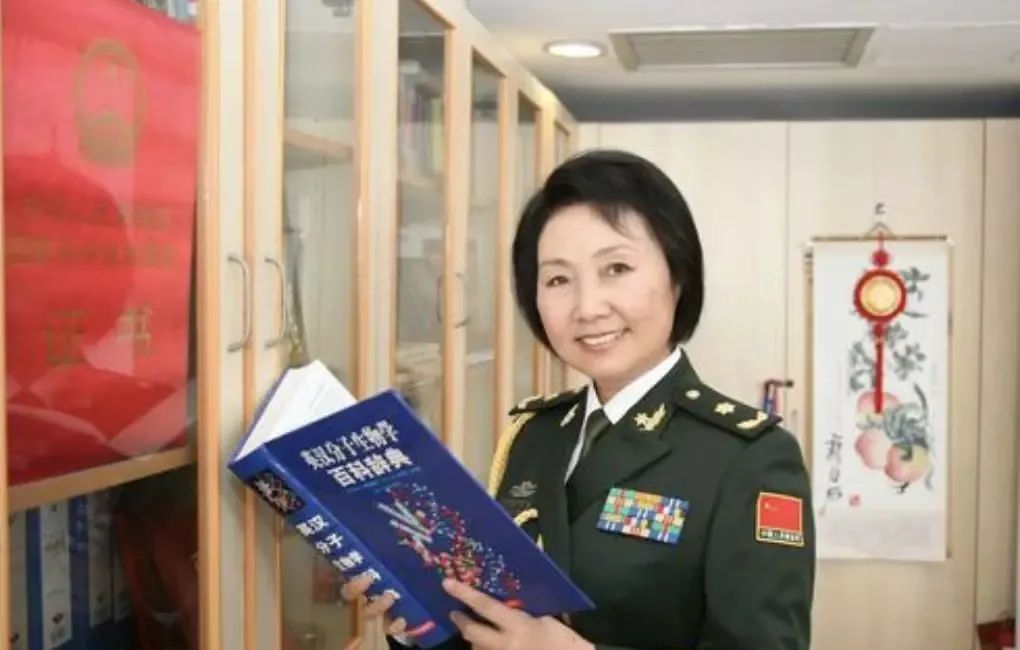
Academician Wang Hongyang
Famous oncology and molecular biology expert, academician of Chinese Academy of Engineering, doctoral supervisor. He is currently the director of the Signal Transduction Research Center of the Eastern Hepatobiliary Surgery Hospital of the Second Military Medical University; and the director of the State Key Laboratory of Oncogenes and Related Genes, School of Medicine, Shanghai Jiaotong University. Won a number of awards such as the First Prize of the Army's Scientific and Technological Progress.
Academician Wang Hongyang first published the research results of hydrogen treatment of liver cirrhosis in the world:
Sun H1, Chen L, Zhou W, Hu L, Li L, Tu Q,, Chang Y, Liu Q,, Sun X, Wu M, Wang H. The protective role of hydrogen-rich saline in experimental liver injury in mice. J Hepatol. 2011Mar;54(3):471-80.
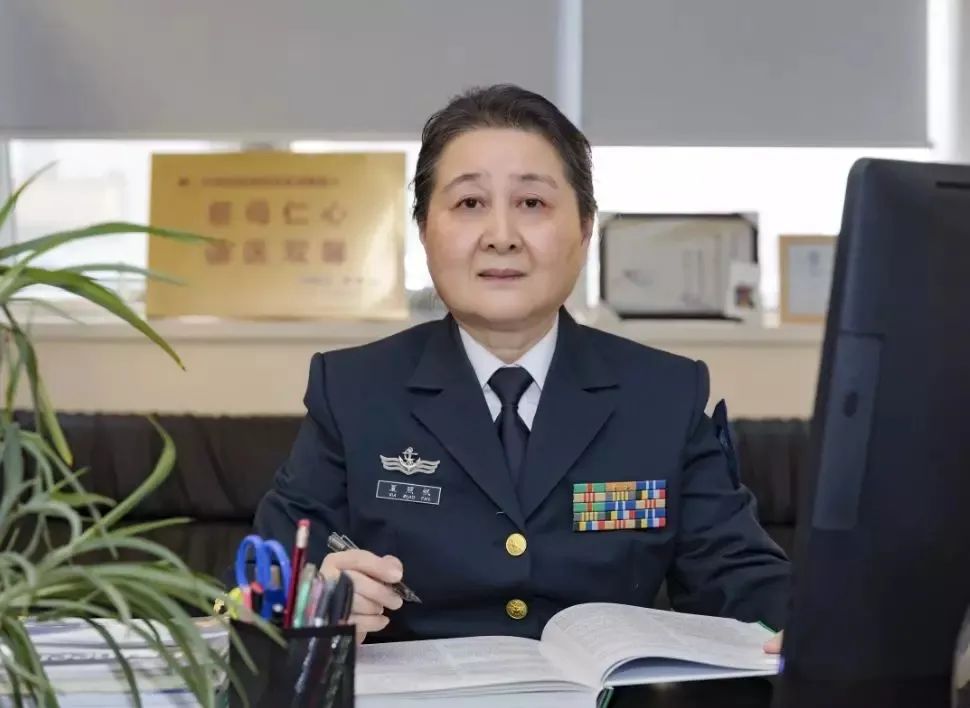
Academician Xia Zhaofan
Famous burn surgery expert, academician of Chinese Academy of Engineering. He is currently the Chief Physician, Professor, and Doctoral Tutor of Burn Surgery of Changhai Hospital Affiliated to the Second Military Medical University, the director of the Burns Research Institute of the PLA, the deputy chairman of the Burns Plastic Surgery Academic Committee of the PLA, and the director of the Shanghai Burn Emergency Center. Won the first prize of National Science and Technology Progress and many other awards.
Academician Xia Zhaofan first proposed the concept of hydrogen recovery in the world:
Zheng XF, Sun XJ, Xia ZF. Hydrogen resuscitation, a new cytoprotective approach. Clin Exp Pharmacol Physiol. 2011 Mar; 38(3):155-63.doi: 10.1111/j.1440-1681.2011.05479.x.
Qiu X, Li H, Tang H, Jin Y, Li W, Yu Sun, Ping Feng, Sun X, Xia ZF. Hydrogen inhalation ameliorates lipopolysaccharide-induced acute lung injury in mice. IntImmunopharmacol. 2011 Dec;11(12):2130-7.
Qiu XC, Jin YC, Sun Y, Luo PF, Fu JF, Chen B, Xia ZF. Effect of hydrogen-rich saline on blood pressure and antioxidant ability of lung tissue in scalded ratsfollowing delayed
resuscitation. Zhonghua Shao
Shang Za Zhi. 2010 Dec;
26(6):435-8.
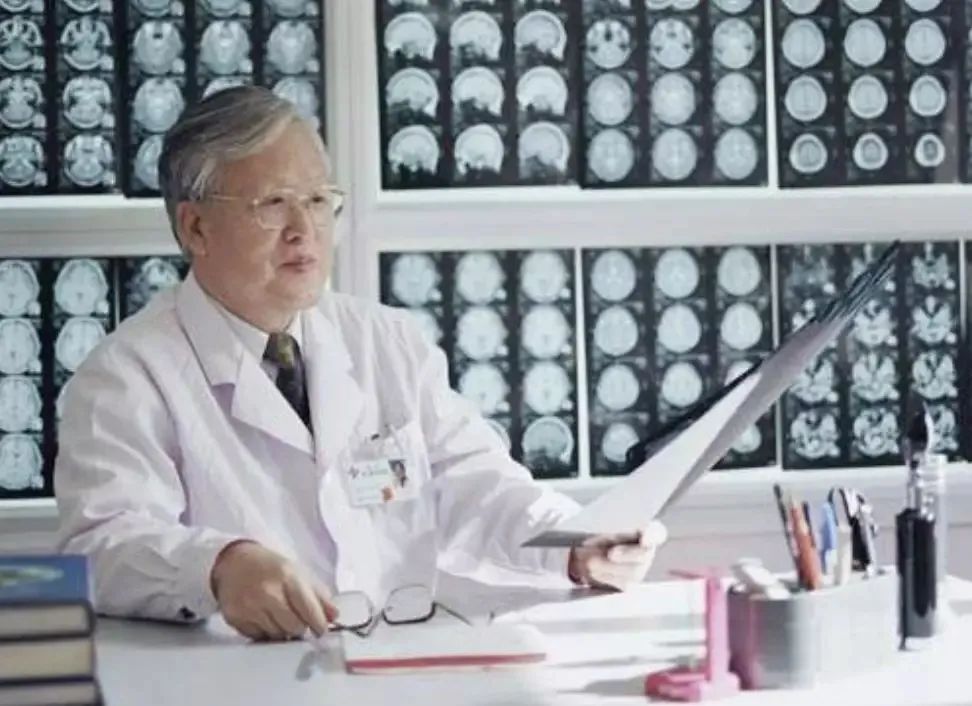
Academician Wang Zhongcheng
World-renowned neurosurgery expert, academician of the Chinese Academy of Engineering. Director of the Institute of Neuroscience of the Chinese Academy of Medical Sciences, Dean of the Institute of Clinical Neurosciences of Tsinghua University, and Honorary Dean of Beijing Tiantan Hospital. In 2001, he was awarded the "Highest Honor Medal" by the World Neurosurgery Federation; in 2009, he was awarded the "National Highest Science and Technology Award".
Academician Wang Zhongcheng published the research results of hydrogen treatment of brain trauma:
Hou Z, Luo W, Sun X, Hao S, Zhang Y, Xu F, Wang Z, Liu B. Hydrogen-rich saline protects against oxidative damage and cognitive deficits after mild traumatic brain injury. Brain Res Bull. 2012 Sep 1; 88 (6):560-5.
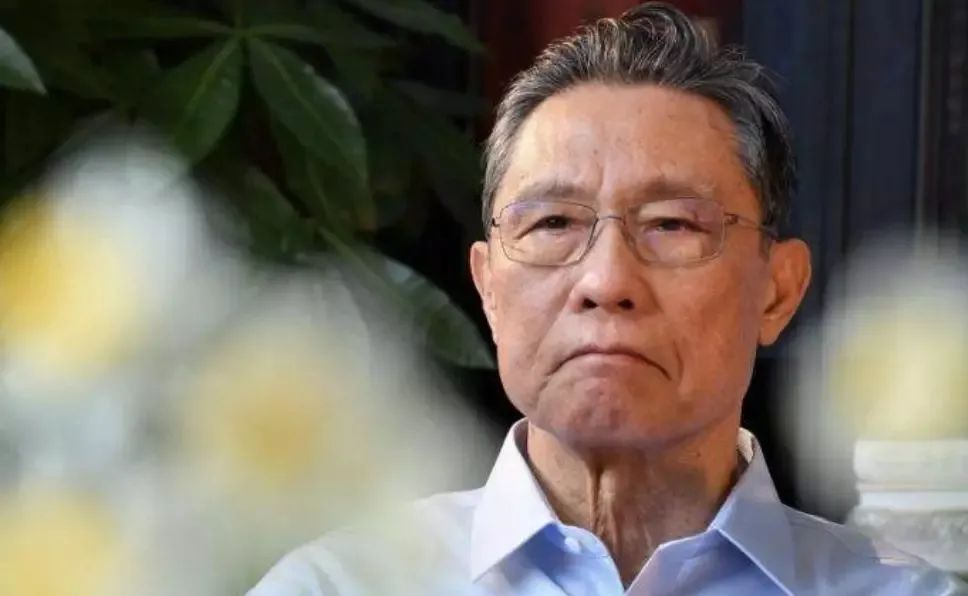
Academician Zhong Nanshan
"Republic Medal" winner, famous respiratory expert, academician of the Chinese Academy of Engineering, doctoral tutor, medical consultant of the World Health Organization, central leading health doctor, the first batch of national-level experts with outstanding contributions. He was the president of the Chinese Medical Association; now he is the chairman of the Respiratory Branch of the Chinese Medical Association and the director of the Guangzhou Institute of Respiratory Diseases.
The scientific research team of Academician Zhong Nanshan is currently conducting research on multiple projects of hydrogen treatment of respiratory diseases.
As early as April 2016, the World Thoracic Congress "Hydrogen Molecular Medicine and Lung Diseases" satellite meeting was held in Shanghai. Academician Zhong Nanshan served as the chairman of the meeting. Academician Zhong Nanshan pointed out: Hydrogen therapy belongs to the cause of disease treatment, not symptomatic treatment, but solves the problem from the root of the disease. Hydrogen therapy has broad application prospects, and I am looking forward to it. In the fight against this year's new coronary pneumonia epidemic, Zhong Nanshan was the first to introduce hydrogen medicine (hydrogen and oxygen inhalation therapy) into the diagnosis, treatment and rehabilitation of patients with new coronary pneumonia. Not only has it achieved good clinical results, it has also promoted the formal inclusion of hydrogen medicine in the national "New Coronary Virus Pneumonia Diagnosis and Treatment (Seventh Edition)", and vigorously promoted it in Europe, the United States and other countries. "Hydrogen and oxygen therapy" was included in the "New Coronavirus Pneumonia Diagnosis and Treatment Plan (Trial Seventh Edition)" under Zhong Nanshan's suggestion.
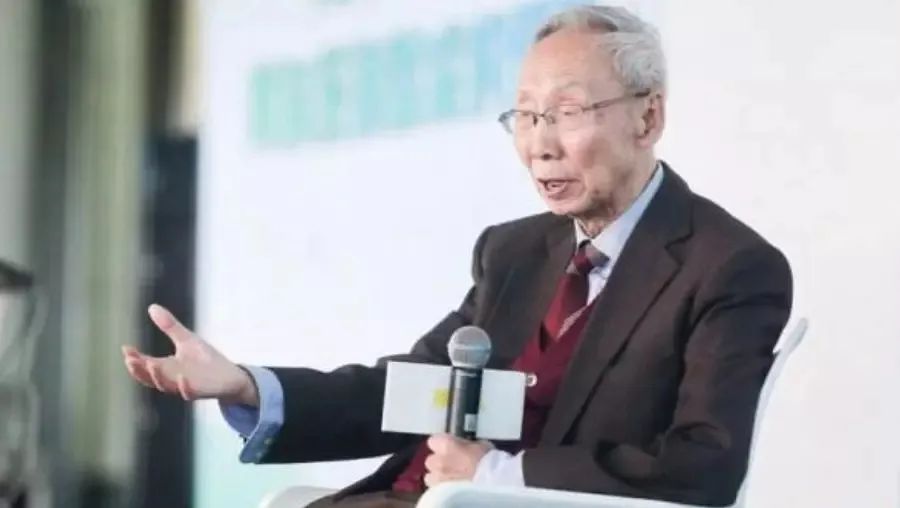
Academician Ni Jiayan
A well-known inorganic chemist, academician of the Chinese Academy of Sciences, former director of the Changchun Institute of Applied Chemistry, Chinese Academy of Sciences, and now honorary dean of the School of Life and Oceanography at Shenzhen University.
In 2017 Shenzhen University "Mesoporous Biological Application and Nano-Gas Therapy Special Lecture", Academician Ni Jiazheng gave a report on "The Biological Effects of Gas Molecules".
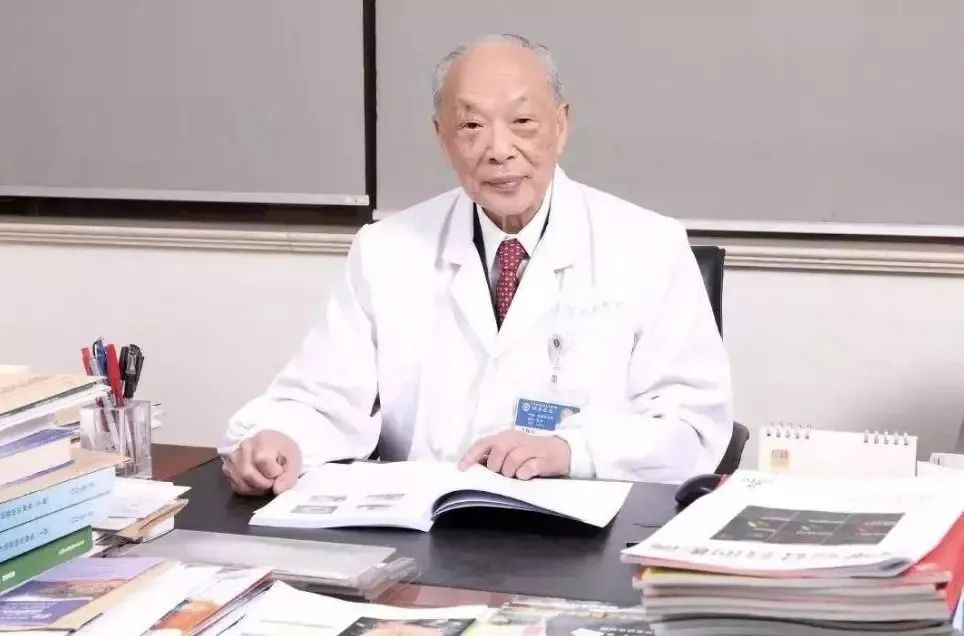
Academician Wang Zhenyi
World-renowned hematology expert, academician of Chinese Academy of Engineering, foreign academician of French Academy of Sciences, former president of Shanghai Second Medical University, director of Shanghai Institute of Hematology, tenured professor of Shanghai Jiaotong University School of Medicine and Ruijin Hospital. One of the pioneers of China's thrombosis and hemostasis profession. It is the first in the world to use all-trans retinoic acid to induce differentiation to treat acute promyelocytic leukemia. Won the Kettering Prize, the highest award in the international oncology community. Won the 2010 National Highest Science and Technology Award.
In May 2018, Academician Wang Zhenyi pointed out after in-depth understanding of the research progress of hydrogen treatment of cancer: Hydrogen is not toxic to the human body and can improve the patient's body, which is a research direction that is very worthy of attention.
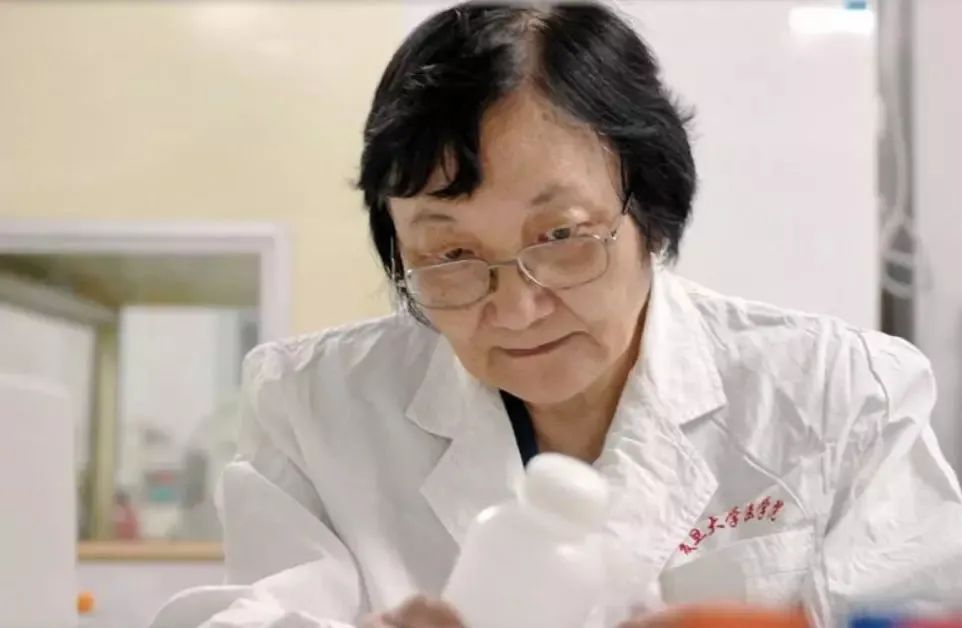
Academician Wen Yumei
A well-known expert in molecular biology and immunology of hepatitis B virus, academician of the Chinese Academy of Engineering, director of the Institute of Pathogenic Microbiology of Fudan University, and director of the Academic Committee of the Open Laboratory of Medical Molecular Virology of the Ministry of Education and the Ministry of Health.
At the "2016 International Forum on Clinical and Translational Medicine", Academician Wen Yumei spoke highly of hydrogen as a new medical intervention and had high hopes.
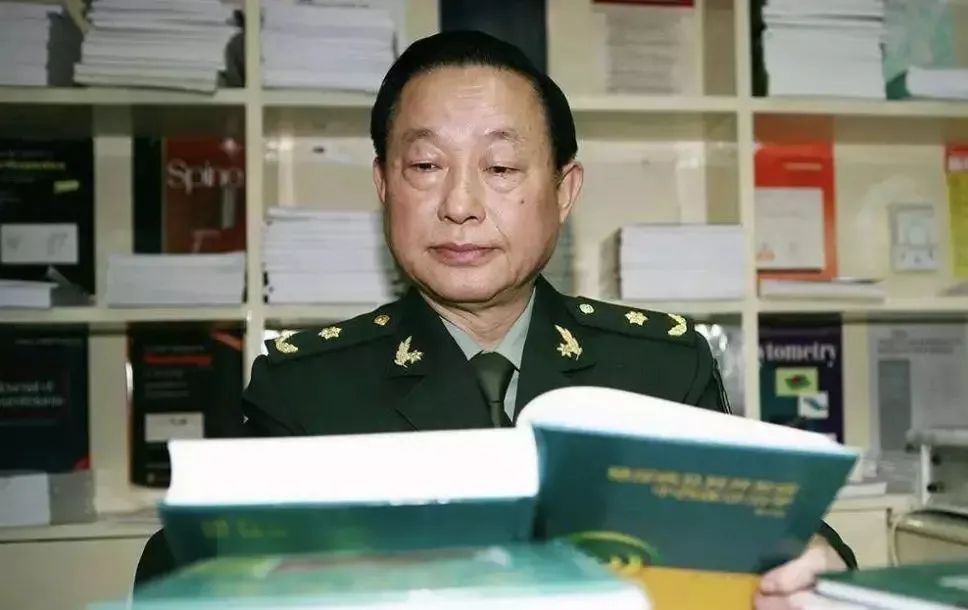
Academician Liao Wanqing
Famous expert in dermatology and medical mycology, academician of Chinese Academy of Engineering, director of Institute of Dermatovenereology and Mycosis, Second Military Medical University, civilian lieutenant general; won the second and third prize of National Science and Technology Progress Award, and the first prize of military medical achievement , "Major Contribution Award" for the professional technology of the whole army.
Academician Liao Wanqing wrote the foreword for the book "Molecular Hydrogen and Health", and spoke highly of the discovery of the biomedical effects of hydrogen.
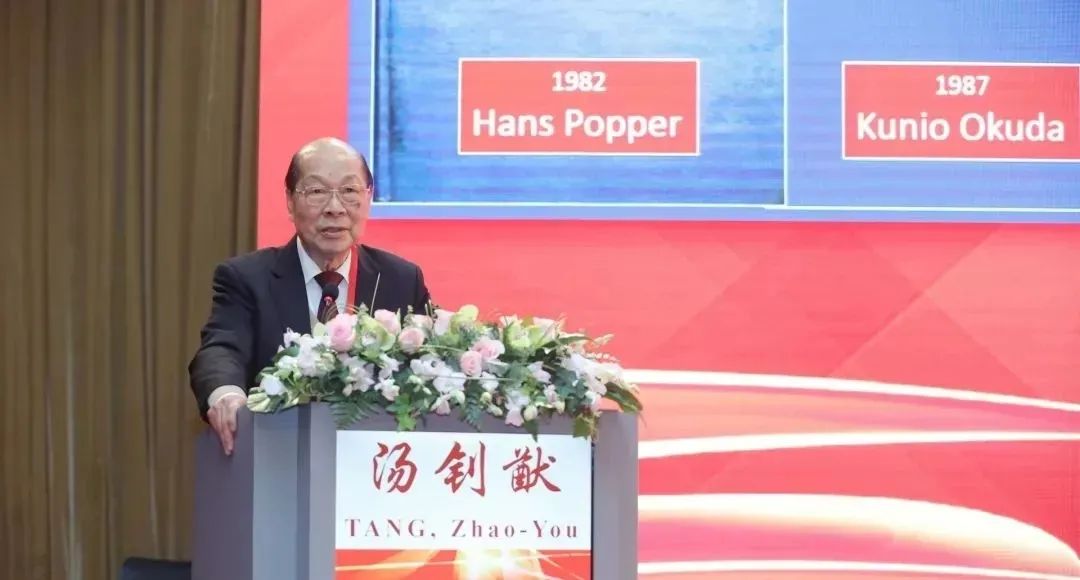
Academician Tang Zhaoyou
Tang Zhaoyou, an academician of the Chinese Academy of Engineering and a well-known extra-oncology scientist, is more optimistic about the use of hydrogen for cancer prevention and control. He not only wrote the preface for the book "Hydrogen Cancer Control", but also gave a high evaluation of hydrogen medicine. Certain cancer control effect."
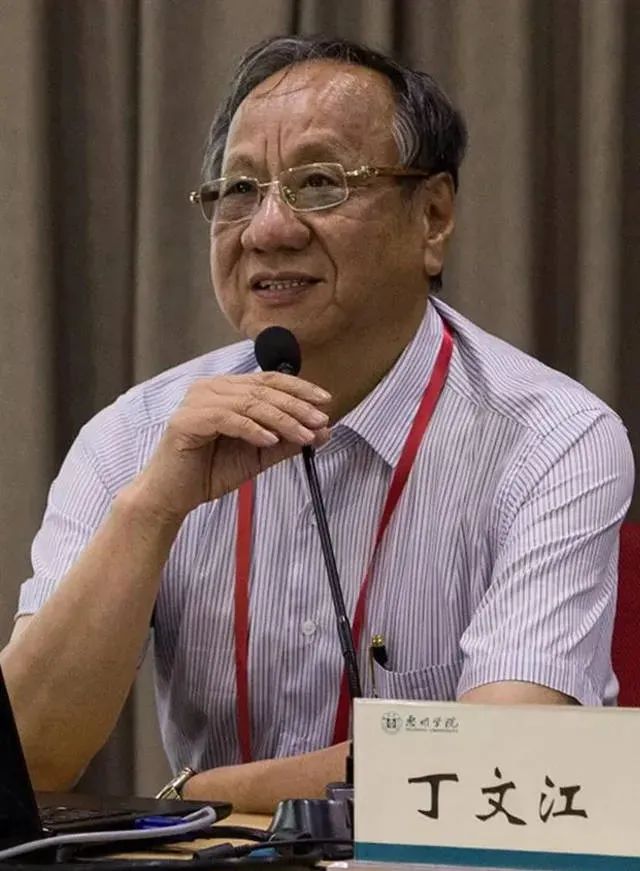
Academician Ding Wenjiang
Famous materials scientist, academician of the Chinese Academy of Engineering, professor and doctoral supervisor of Shanghai Jiaotong University, chief scientist of the National Key Basic Research Development Plan (973), director of the National Engineering Research Center for Light Alloy Precision Forming, and former vice president of Shanghai Jiaotong University. After the establishment of the Hydrogen Science Center of Jiaotong University in January 2019, Academician Ding applied the new magnesium-based hydrogen storage materials independently researched and developed to the fields of medical beauty and health care. This is a transformation of scientific and technological achievements with high innovation and high social value. .
Academician Sun Yinghao
Famous urology expert, academician of Chinese Academy of Engineering, member of International Society of Urology, European Society of Urology, Asian Society of Urology, Chairman of Chinese Medical Association Urology Society, Vice Chairman of Urology Committee of Chinese Medical Association Shanghai Branch, Chinese Medical Association Shanghai Member of the branch, leader of the Urology Youth Group of the Shanghai Branch of the Chinese Medical Association, and the final evaluation committee of the clinical professional group of the Ministry of Life Sciences of the National Natural Science Foundation of China. Served as the chairman of the 26th World Congress of Urology and Urology in 2008 and the chairman of the 2009 International Congress of Urology.
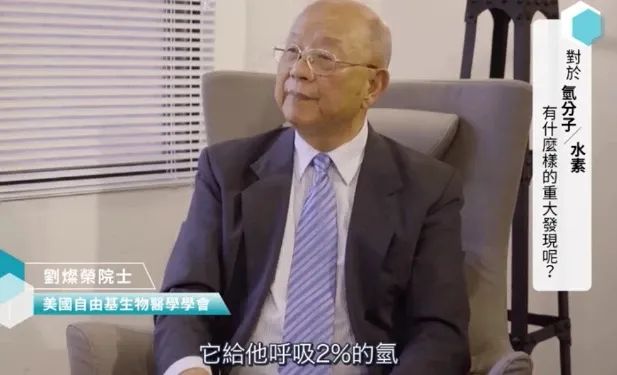
Academician Liu Canrong
Compared with other academicians, Academician Liu Canrong is "special" because Mr. Liu Canrong is not an academician of China, but an academician of the American Society for Free Radical Biomedicine. Bachelor of Agriculture, National Taiwan University, Ph.D., University of California, Berkeley, Department of Clinical Pathology, Postdoctoral Research and General Hospital, University of California, San Francisco, Head of R&D Department (Academician of the American College of Clinical Biochemistry), San Francisco State University Advanced Medical Technology Center and Clinic Tenured full-time professor of the Department of Science, consultant professor of the Translation Research Office of the Cancer Center of the Private Taipei Medical University Hospital, and an academician of the American Society for Free Radical Biomedicine (the first in Asia).
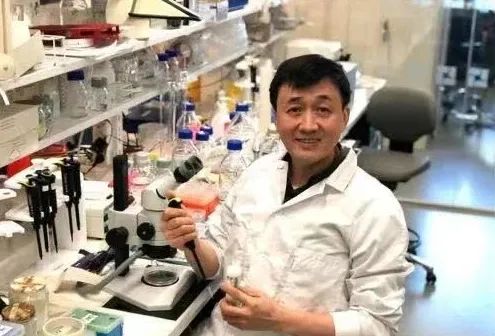
Academician Cao Yihai
Tenured Professor of Karolinska Institute of Medicine in Sweden/Foreign Academician of Chinese Academy of Engineering/Academician of European Academy of Sciences/Academician of American Medical College
Academician Cao is also very special. When talking about the topic of "hydrogen and cancer", Academician Cao blurted out "tumor to death." This description is very interesting. Obviously hydrogen absorption is not a treatment for mass killing tumors, but it can achieve the strategy of "accumulating small wins for big wins" like guerrilla warfare, often starting from improving the sleep, appetite, and mental state of tumor patients. Let the patient have a better condition. At this time, cancer cells will not be so good at bullying people. If they repeatedly attack and fail, they will be "qi" to death.